Battery Storage Without Solar: Scotland's Hidden Money-Saver
You don't need solar panels to benefit from battery storage. With a suitable time-of-use tariff, Scottish homeowners can charge a battery on cheaper off-peak electricity and use it when grid prices are higher.
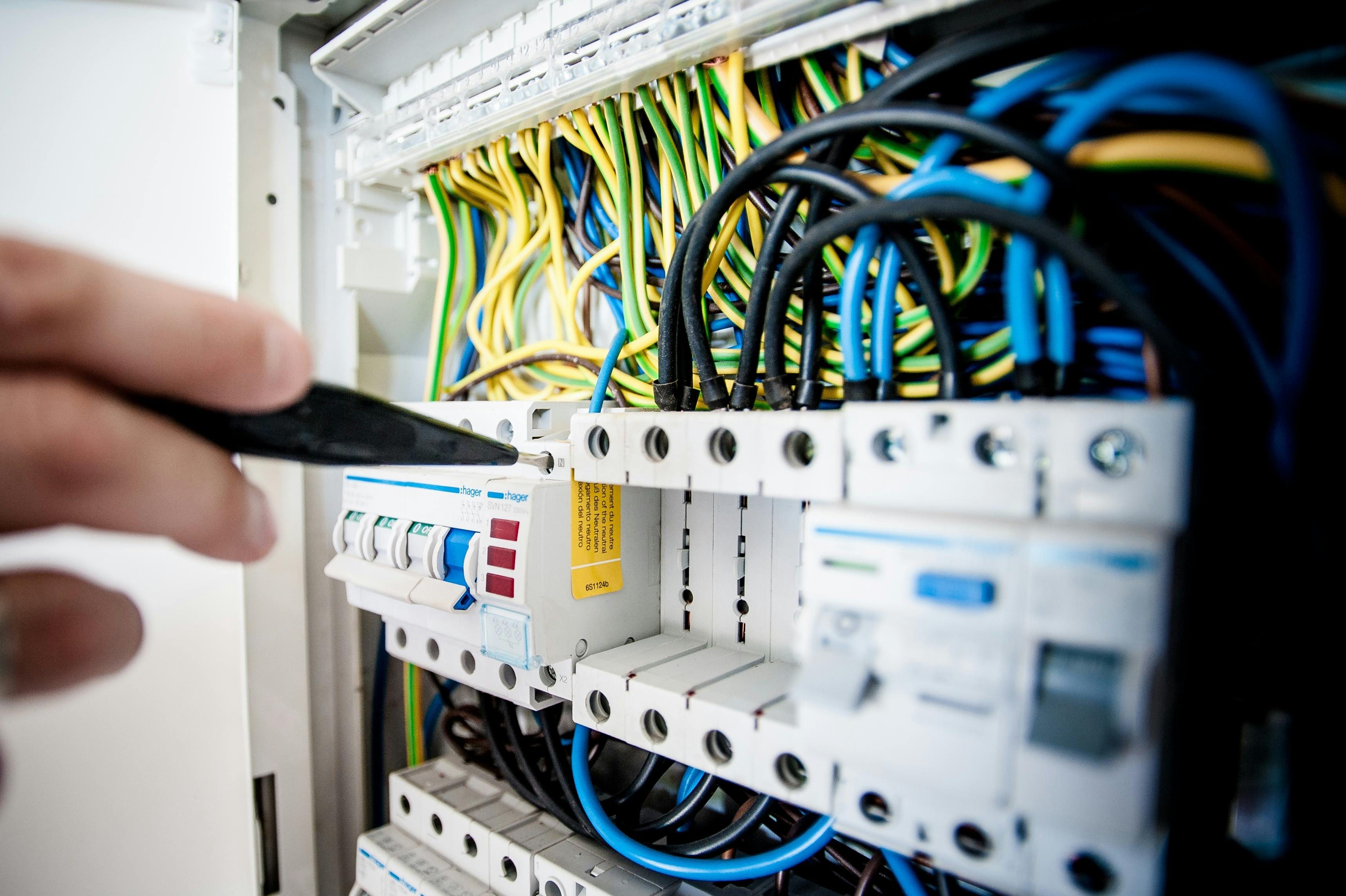
Battery storage is usually discussed alongside solar panels, but you do not need panels on your roof to benefit from a home battery. For many Scottish households, a standalone battery paired with the right tariff is a practical way to make better use of cheaper electricity and reduce reliance on expensive peak-time power.
How a Battery Without Solar Works
The idea is simple. Some electricity tariffs charge less at certain times, usually overnight, and more at others, typically in the late afternoon and early evening. A battery lets you buy electricity when it is cheaper, store it, and use it later when grid prices are higher.
- The battery charges from the grid during the cheaper off-peak window, often overnight.
- During the day and evening, your home draws from the battery first.
- When the battery runs low, your home switches back to the grid automatically.
Modern batteries handle this automatically using schedules or smart tariff integration, so there is little to manage day to day once it is set up.
Which Homes Is It Best For?
A standalone battery is especially useful where solar panels are not practical:
- North-facing or heavily shaded roofs, where solar generation would be limited.
- Sandstone tenements and flats, where the roof is shared and getting agreement from other owners or the factor is difficult. A battery inside your own flat is a far simpler project, though you should still check your title deeds and any building rules.
- Listed buildings and conservation areas, where panels on the roof may not be permitted.
- Homes with roofs due for replacement, where it makes sense to add a battery now and solar later.
- Electric vehicle owners, who are often already on an overnight tariff and can use the same cheap window to charge a home battery.
It also suits 1930s semis, bungalows and new-build homes where the owner simply wants to start with storage and add panels in the future.
Choosing the Right Tariff
A battery without solar depends entirely on the gap between cheaper and more expensive rates. Common tariff types include:
- Fixed overnight tariffs, such as Octopus Go or Intelligent Go, with a cheaper rate for a set window each night.
- Dynamic tariffs, such as Octopus Agile, where prices change every half hour based on wholesale costs.
- Traditional Economy 7 style tariffs, still found in many Scottish homes, particularly those with electric storage heaters.
Rates change regularly, so check the supplier's current rates and eligibility criteria before choosing. Some tariffs require a smart meter or a compatible battery or EV.
Sizing a Standalone Battery
Home batteries commonly range from about 5kWh to 15kWh. The right size depends on how much electricity you use outside the cheap window:
- Look at your smart meter data or bills to see your typical daily usage.
- Work out how much of that falls during the day and evening.
- Choose a capacity that covers most of that usage without paying for storage you will rarely fill.
Households with electric heating, heat pumps, home offices or EVs usually need more capacity than a smaller flat.
The Equipment: AC-Coupled Batteries
Without solar, the battery connects to your home's electrics through its own inverter. This is known as an AC-coupled setup. It sits alongside your consumer unit and charges and discharges using mains electricity. A big advantage is that if you add solar later, an AC-coupled battery can usually work with a new solar system, or you can choose a hybrid inverter designed for both from the start.
Batteries can be installed indoors, for example in a utility room or garage, or outside in a suitable weatherproof enclosure. Exposed coastal homes should consider wind, salt and temperature when choosing a location.
Grid Connection in Scotland
Batteries connect to the electricity network, so the network operator needs to be informed. Smaller systems typically fall under G98, where the installer notifies the network after installation. Larger systems fall under G99 and need an application before installation. SP Energy Networks covers central and southern Scotland, and SSEN covers the north, including Aberdeen, Dundee, Perth, Inverness, the Highlands and Islands.
What About Backup Power?
Many people assume a battery will keep the lights on in a power cut. Some systems do offer emergency power supply (EPS) or backup, but this is not automatic. It may cover only selected circuits, it often needs extra wiring and switching equipment, and the battery will only help if it has charge left. If backup matters to you, for example in a rural home prone to outages, raise it at the survey stage.
Costs and Funding
Solar panels and battery storage currently have 0% VAT for homes until March 2027. Loans available, subject to status. There is no Scottish funding scheme for solar panels or batteries. We install through MCS-certified partners.
Next steps
A survey will look at your usage, tariff and where a battery could go in your home. Book a no-obligation survey, or read our guides to battery storage explained and the solar and battery FAQ.
Ready to Get Started?
Get a no-obligation consultation and find out how much you could save with solar and battery storage.
Get Your Quote