Do Solar Panels Work in Scotland? Complete 2024 Guide
Many Scots wonder if solar panels are worth it given our weather. The truth might surprise you - solar panels work brilliantly in Scotland. Here's everything you need to know.
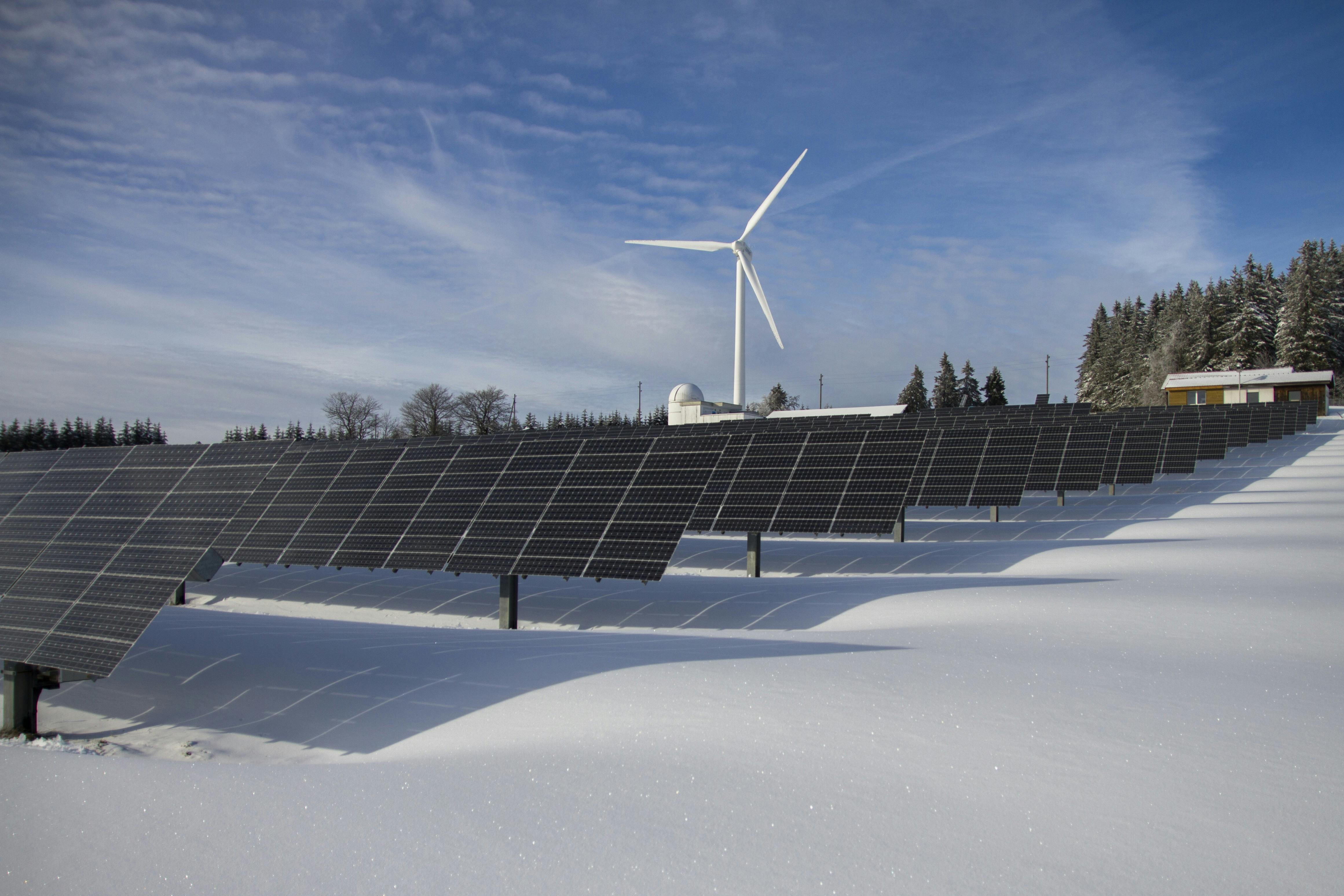
It is one of the first questions Scottish homeowners ask: with our cloud, rain and short winter days, is solar actually worth it here? The short answer is yes. Solar panels work in Scotland, and many homes across the country are well suited to them. The longer answer depends on your roof, your usage and how you plan to use the electricity you generate.
Solar Panels Run on Daylight, Not Heat
Solar panels convert light into electricity. They do not need hot weather, and they do not need cloudless blue skies. On overcast days panels still generate from diffuse daylight, just at a lower rate than in bright sunshine.
In fact, cool temperatures help. Solar cells work more efficiently when they are cold, so a bright, crisp spring day in Fife or the Borders can be very productive. Very hot climates actually reduce panel efficiency, which is one reason solar performs better in Scotland than many people expect.
How the Scottish Seasons Affect Output
Long summer days
Scotland's northern latitude gives us very long days from late spring to late summer. In the north, daylight can stretch from early morning until late evening, giving panels many hours of generation each day. This is when a system produces most of its yearly output.
Short winter days
Winter is the opposite. Days are short, the sun is low, and output drops considerably from November to January. Panels will still generate on clear winter days, but you should not expect them to cover your winter usage. A good installer will show you a month-by-month estimate so there are no surprises.
Wind, rain and coastal exposure
Rain is actually helpful because it washes dust and dirt off the panels. What matters more in Scotland is wind and salt. Homes on exposed coasts and islands need mounting systems and fixings rated for high wind loads, and coastal properties benefit from equipment suited to salt-laden air. These are design details your installer should address at the survey stage.
Is Your Scottish Home Suitable?
Scotland's housing is varied, and each type has its own considerations:
- 1930s semis and bungalows: often have simple pitched roofs with plenty of usable space, making them straightforward candidates.
- New-build estates: modern roofs are usually in good condition, though some have complex layouts or limited space between dormers and rooflights.
- Granite homes in Aberdeen and the north-east: solid structures that can work well, but roof slates and fixings need careful assessment.
- Sandstone tenements: roofs are shared, so you will need agreement from the other owners and, where there is one, the factor before anything can be installed.
- Rural stone cottages: often well suited, especially with outbuildings or ground-mount options, but older roofs may need checking first.
- Timber-frame homes: common across Scotland and generally suitable, with fixings planned around the structure.
Listed buildings and properties in conservation areas may need consent from the local planning authority, so check this early.
Orientation and shading
South-facing roofs give the most generation, but east- and west-facing roofs also work and spread generation across the morning and evening. North-facing roofs are usually less suitable. Shading from trees, chimneys or neighbouring buildings matters more than orientation, so a proper survey should assess it.
System Sizes and Grid Connection
Typical domestic systems on Scottish homes are roughly 3-6kW, depending on roof space and household usage. Smaller systems, typically up to about 3.68kW per phase, fall under G98, where the installer notifies the network operator after installation. Larger systems, or those exporting more, fall under G99, which means applying to the network operator before installation.
Your network operator depends on where you live. SP Energy Networks covers central and southern Scotland, while SSEN (Scottish and Southern Electricity Networks) covers the north of Scotland, including Aberdeen, Dundee, Perth, Inverness, the Highlands and Islands.
Getting the Most From Solar in Scotland
- Use more electricity during daylight, such as running the washing machine or dishwasher in the middle of the day.
- Consider adding a battery so daytime generation can power your evenings.
- Pick an export tariff that pays for the surplus you send to the grid.
- Look at a time-of-use tariff if you also have a battery or an electric vehicle.
Solar panels and battery storage currently have 0% VAT for homes until March 2027. Loans available, subject to status. We install through MCS-certified partners.
Next steps
The best way to know whether solar suits your home is a proper survey. Book a no-obligation survey, or read more in our guides to solar power in Scotland and use our solar output calculator.
Ready to Get Started?
Get a no-obligation consultation and find out how much you could save with solar and battery storage.
Get Your Quote